

We are seeking a motivated PhD student to join our research team. Funded by the German Research Foundation (DFG) and central funds of the University of Freiburg, the project will investigate how the brain represents and processes information in virtual versus real-world environments. Using mice performing behavioral tasks in both settings, we will examine whether animals can transfer learned information between virtual and real environments and whether the two contexts lead to differences in neuronal activity and population dynamics.
Optophysiology Lab
Our Research
Our laboratory investigates the interface between cognitive flexibility and motor control in rodents, with a particular focus on how distributed brain circuits construct internal models of their environment and use these models to solve complex tasks. We are further interested in how such model-based capabilities generalize across behavioral contexts, including transfer to novel tasks and home-cage behavior. To address these questions, we employ a suite of sophisticated behavioral paradigms encompassing rule and context learning, decision-making, sequence detection, reversal learning, sensory detection, movement preparation, and multi-target reaching.
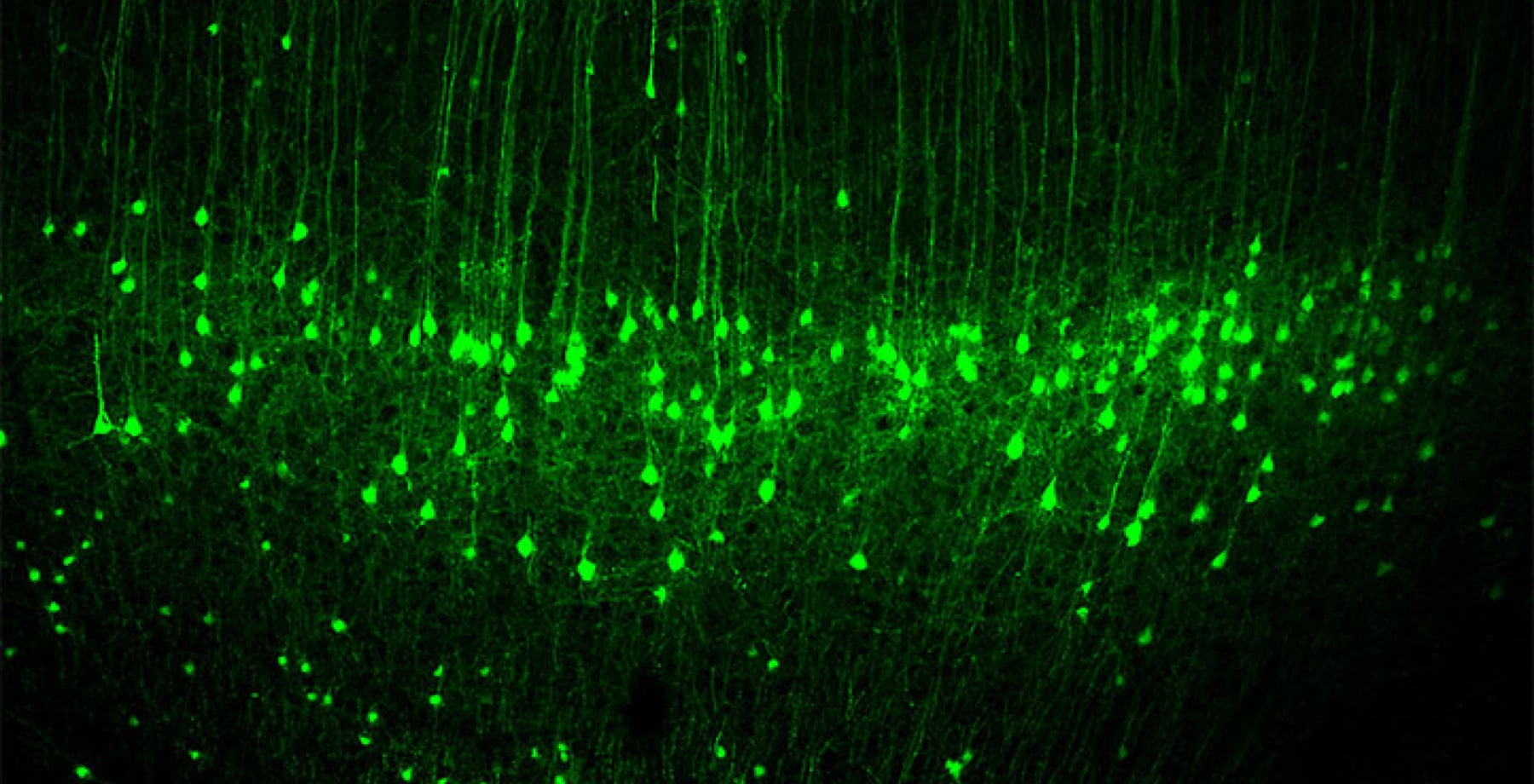
These behavioral assays are paired with high-resolution neural measurements, including electrophysiology and both one-photon and two-photon imaging. To establish causal links between specific neural populations, behavioral performance, and network dynamics, we deploy optogenetic and chemogenetic techniques, including pathway- and cell type–specific stimulation, holographic stimulation, and DREADD-based manipulations. Our in vivo work is complemented by ex vivo approaches that enable detailed analyses of cellular mechanisms and circuit interactions. As part of the interdisciplinary BrainLinks-BrainTools // IMBIT center, we also contribute to the development of next-generation neurotechnologies and advanced analytical methodologies, including AI-driven tools, in close collaboration with our colleagues across the center.
Current News

New Article Published in Cell Reports
We reveal that projections from the rat premotor cortex (RFA) to the primary motor cortex (CFA) predominantly encode pre-movement activity and play a critical role in shaping motor preparation. As movement begins, the influence of RFA on CFA dynamically shifts toward excitatory drive, providing a circuit-level mechanism that links neural state transitions from preparation to execution.

New Article Published in Neuron
Inhibitory interneuron diversity is a central feature of cortical circuits. The IN-CODE consortium seeks to combine large-scale recordings of interneuron types with machine-learning tools to identify the role of their physiological features, connectivity motifs, and cooperativity in cognitive functions.
Open Positions
UncategorisedVacancy
September, 2026 – We are looking for a PhD (m/f/d) Student in Neuroscience
We are seeking a motivated PhD student to join our research team. Funded by the German Research Foundation (DFG) and central funds of the University of Freiburg, the project will investigate how the brain represents and processes information in virtual versus real-world environments. Using mice performing behavioral tasks in both settings, we will examine whether animals can transfer learned information between virtual and real environments and whether the two contexts lead to differences in neuronal activity and population dynamics.
Internal World Models: How does AI view the world
Merry Christmas from the Robot Learning Lab – 2023
FreiDOG Dance @ BrainWorlds Freiburg-Oxford Workshop
IMBIT Opening
Make thinking visible
Research Unit 5159